

CONSERVATION
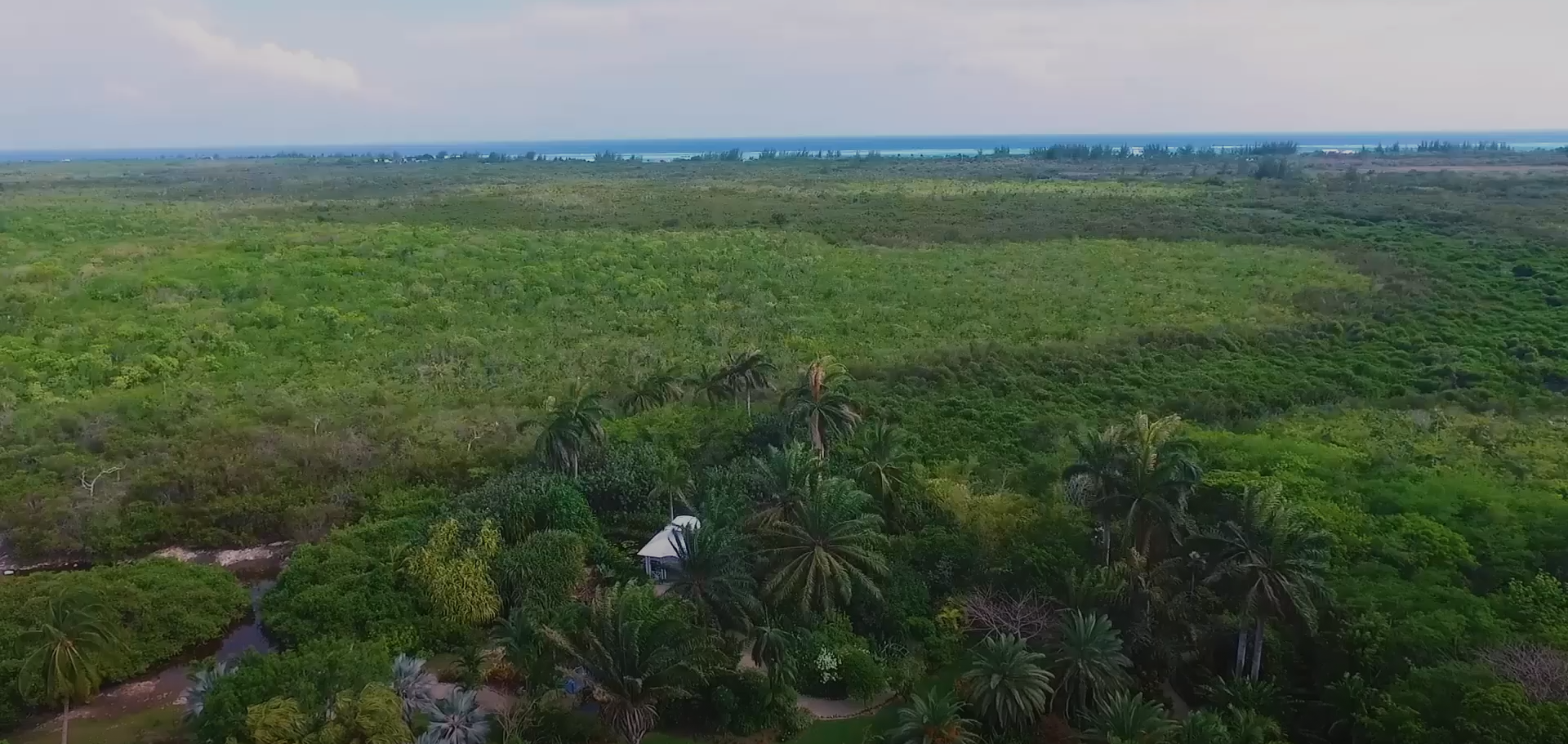
The Botanic Park plays a vital role as a protected conservation area, preserving natural forests and habitats that support Cayman’s native flora and fauna. Areas within the Woodland Trail and south of the lake are carefully protected to maintain biodiversity.
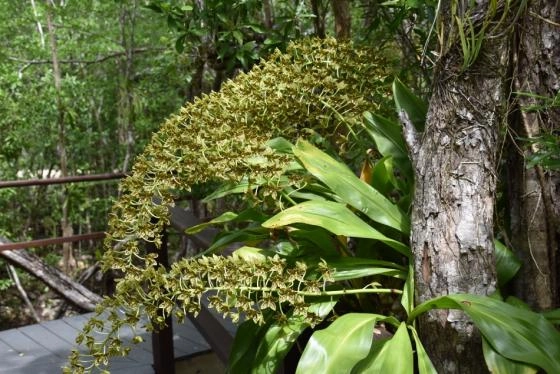
These ecosystems provide refuge for a variety of species, including the Caribbean Dove, Grand Cayman Bullfinch, and the iconic Blue Iguana, as well as rare and endemic plants such as Caymanian orchids.
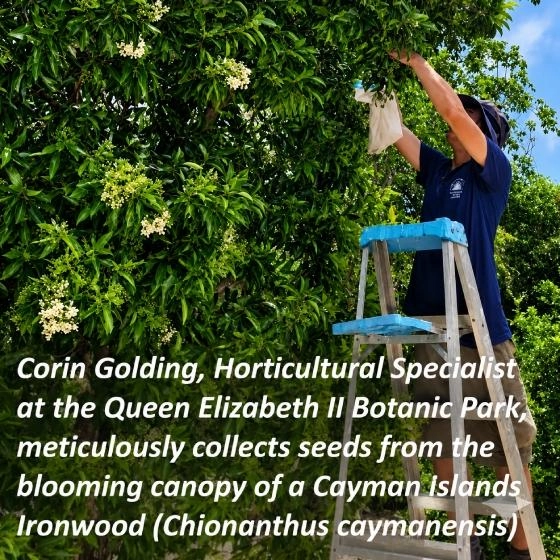
Conservation efforts extend throughout the Park, from native tree planting in landscaped gardens to the lake providing habitat for the endangered West Indian Whistling Duck and other wildlife.
Conservation efforts extend throughout the Park, from native tree planting in landscaped gardens to the lake providing habitat for the endangered West Indian Whistling Duck and other wildlife.
The Park also collaborates with developers and researchers, supporting plant identification and environmentally responsible practices both locally and internationally.