


Mission of the Park
The mission of the Park was intended to be three-fold:
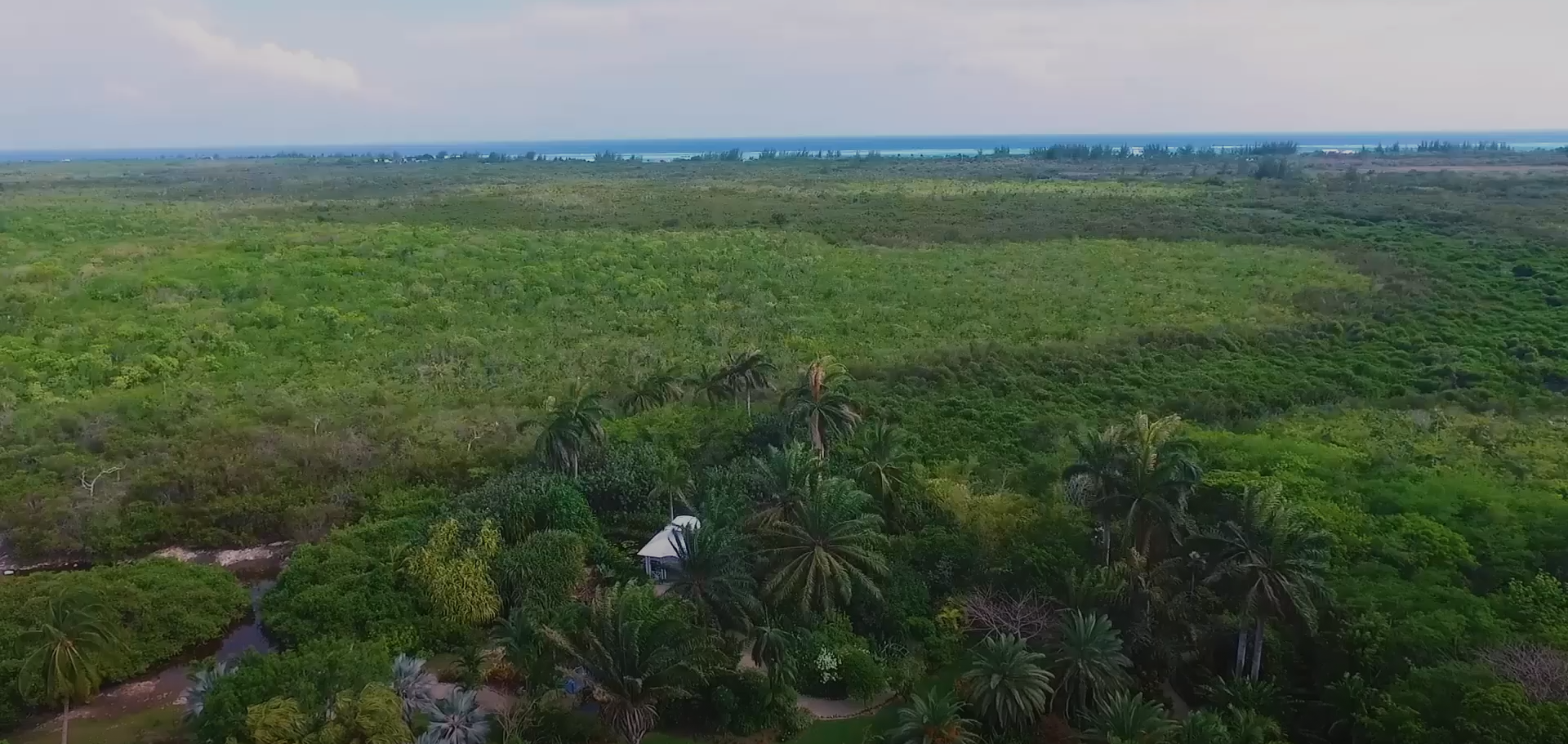
- Recreation – The Park provides a tranquil green space for enjoyment by both residents and visitors, serving as a key tourism attraction as well as a place of relaxation and connection with nature.
- Education – The Park promotes awareness and understanding of Cayman’s natural environment, including its plants, wildlife, conservation efforts, and the cultural and practical uses of native species.
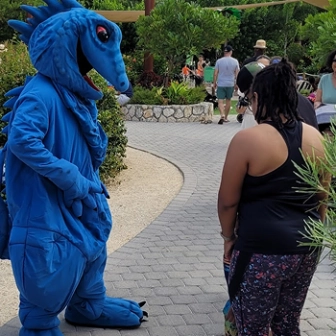
- Conservation – The Park includes protected natural areas that remain undisturbed, preserving vital ecosystems. It also supports conservation initiatives for endemic and native plant species and is home to important programmes such as the National Trust’s successful Blue Iguana breeding and recovery programme.
Planning and master designs for the park are drafted.
The captive breeding program for the endangered Grand Cayman Blue Iguana is initiated to save the species from the brink of extinction, with headquarters at the Queen Elizabeth II Botanic Park.
The Cayman Islands Botanic Park project won the 1993 Ecotourism Award from a field of 18 environmental projects around the Caribbean, sponsored by Islands magazine, BWIA International Airways and the Caribbean Tourism Organisation.
View More
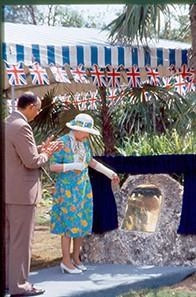
Officially opened on February 20 by Her Late Majesty Queen Elizabeth II, with only the Woodland Trail completed.
View More
The Rankine House is added to the Heritage Garden a key development as a second phase of the Parks master plan to display display plants of horticultural and traditional value. Backdrops depicting various periods of Caymanian history are also envisaged.
View More
Following successful captive rearing, the first major sub-populations of blue iguanas are released into the wild at the park and Salina Reserve.
The Botanic Park makes its debut at the prestigious Chelsea Flower Show in London, 20-24 May 2008 earning a Silver award for its Heritage Garden entry.
The park returns to the Chelsea Flower Show, winning a Gold Medal and the President's Most Creative Award for the 'Cayman Islands Undersea Reef Garden
The Orchid Boardwalk opened on Saturday 13 February 2010 during the annual orchid show and sale.
View More
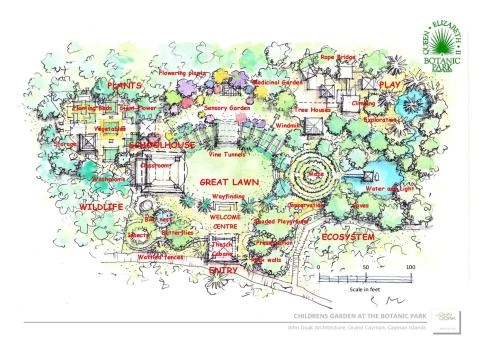
Conceptual plans for the Children’s Garden are draft by architect John Doak.
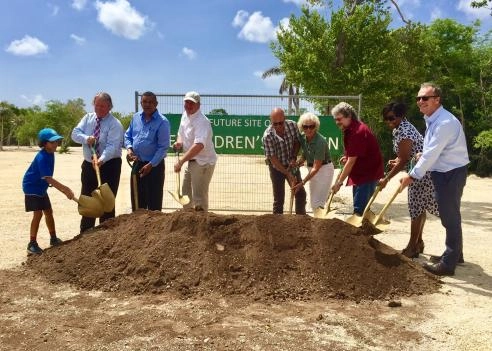
Breaking ground at the future site of the Children’s Garden at the Botanic Park.
The captive facility is upgraded, and the Blue Iguana Recovery Programme continues reintroducing the species to reach targets of over 1,500 individuals in the wild.
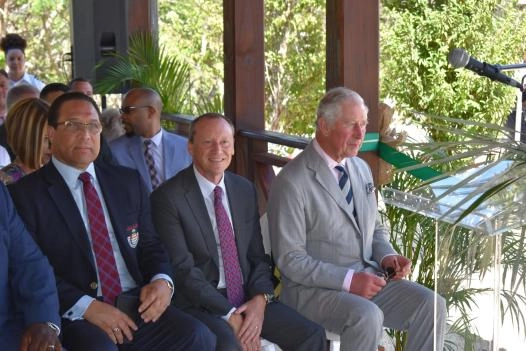
King Chales III, then known as The Prince of Wales, visit the Cayman Islands along with his wife, The Queen Consort, then known as the Duchess of Cornwall, had a two-day trip visiting all three islands. The Prince visited the Queen Elizabeth II Botanic Park, which was opened by his mother in 1994. At the park, His Majesty attended a roundtable discussion on sustainability and witnessed conservation efforts to protect Cayman’s renowned blue iguanas before officially opening the Rotary Schoolhouse in the Children’s Garden.
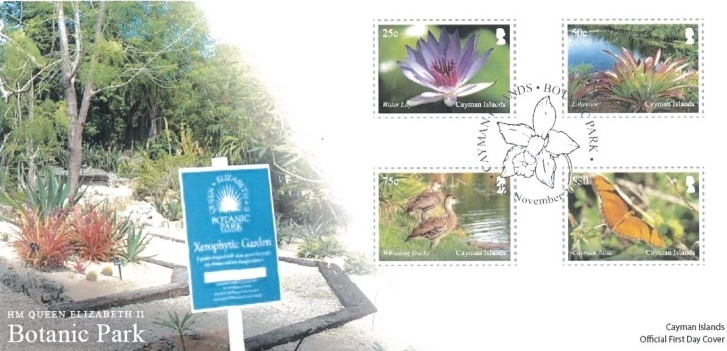
The Cayman Islands Postal Service creates stamp issue that highlights the flora and fauna of the Queen Elizabeth II Botanic Park.
The Botanic Park works with internationally acknowledged orchid breeder Dr. Martin R. Motes to create a new Cayman hybrid orchid. The orchid is officially named in honour of Her Late Majesty’s Platinum Jubilee and is a cross between the Cayman Brac species Myrmecrophila thompsoniana, with M. Karina Motes. (The latter is a hybrid between M. albopurpurea, from Grand Cayman, and M. grandiflora from Belize.) This hybridisation also includes lineage from Cayman’s national flower, the Wild Banana Orchid, and is registered with the Royal Horticultural Society.
View More
The Botanic Park is a awarded a Darwin Plus Local Grant from the UK’s Biodiversity Challenge Fund. The grant application was initiated by the Ministry of Health, Environment and Sustainability with an aim to deliver strategic improvements to existing nursery facilities at the Botanic Park, enabling its horticultural team to grow a minimum of 250 plants comprising a mix of 10 native species.
View More
The new native plant nursery opens.
View More